If you've started researching epoxy floors for your garage, you've almost certainly run into two names: metallic and flake (also called chip or broadcast). These are the two dominant finishes in residential epoxy — and for good reason. Both are durable, both look dramatically better than bare concrete, and both are installed with the same base system (prep, primer, base coat, topcoat).
But they are not interchangeable. The floor that makes your neighbor's garage look like a showroom is not the same one that will best serve a mechanic's shop. This guide breaks down exactly what's different — in cost, appearance, maintenance, and longevity — so you can pick with confidence.
What Is Metallic Epoxy?
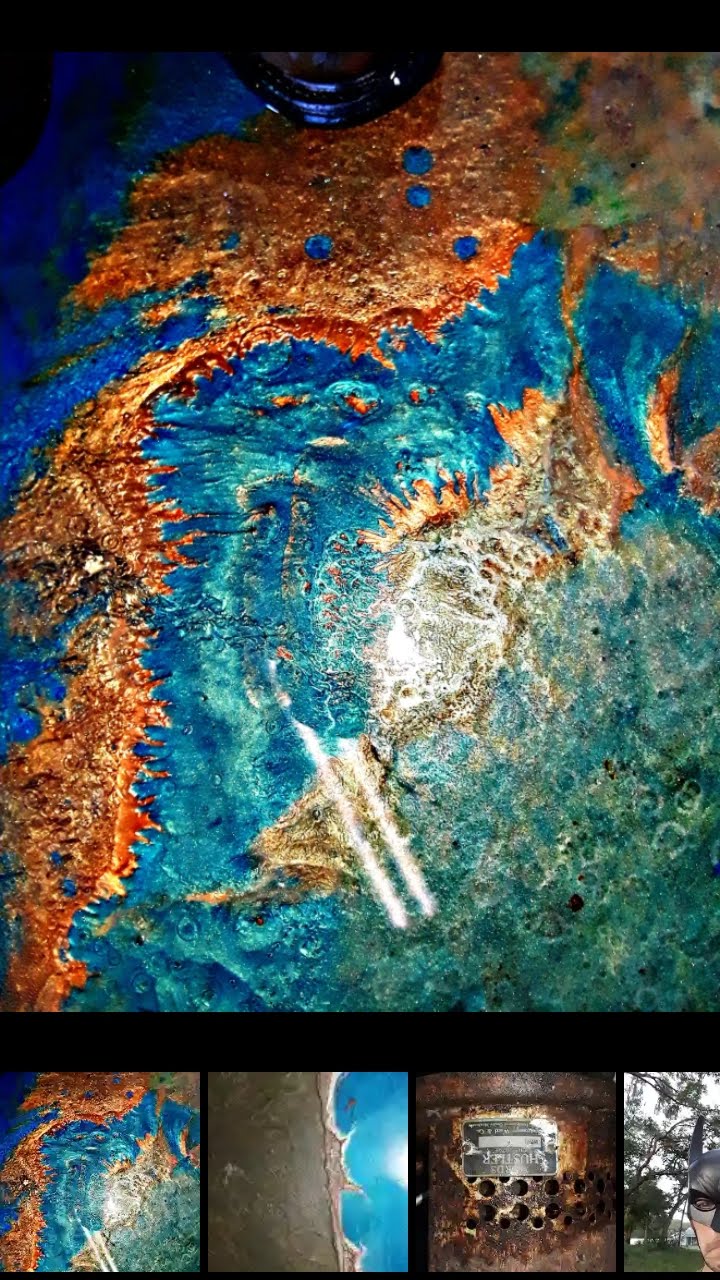
Metallic epoxy is a decorative system where liquid metallic pigments are mixed into the base coat and manipulated — poured, rolled, dragged — to create swirling, pearlescent patterns across the floor. The result looks like liquid metal or molten pearl, with a deep glossy finish that catches light from every angle.
The pigments are typically iron-oxide and pearl-based compounds that reflect and refract light differently depending on the angle you view them from. No two metallic epoxy floors look alike — the swirling pattern is created by the installer during application, and even the same technique produces unique results on every job.
Installed cost: $7–$12 per square foot in the Orlando market. A standard 2-car garage (400–500 sqft) runs $2,800–$5,500 for a metallic system. Higher-end specialty pigments can push toward $15+/sqft for complex designs.
Best known for: Showroom-level aesthetics, high visual impact, and a finish that often becomes the focal point of the entire home.
What Is Flake (Chip) Epoxy?
Flake epoxy — also called chip or broadcast epoxy — involves scattering colored polymer flakes across a wet base coat before applying the topcoat. The flakes are semi-randomly distributed, creating a granite-like texture that's both decorative and functional.
The flake broadcast adds several practical benefits: it masks minor concrete imperfections, provides a subtle non-slip surface, and breaks up large flat areas visually. Flake systems are the most popular residential epoxy finish nationally — and for good reason. They're forgiving, practical, and look great at a lower price point.
Flake colors range from subtle (light gray on gray) to bold (terra cotta on sand, midnight blue on charcoal). You can also match the flake to your home's exterior or garage door color for a cohesive look.
Installed cost: $4.50–$8 per square foot in Central Florida. A 2-car garage typically costs $1,995–$3,200 for a flake system.
Best known for: Versatility, practicality, durability, and excellent at hiding floor imperfections.
Side-by-Side Comparison
| Feature | Metallic Epoxy | Flake / Chip Epoxy |
|---|---|---|
| Installed cost (Orlando) | $7–$12 / sqft | $4.50–$8 / sqft |
| 2-car garage cost | $2,800–$5,500 | $1,995–$3,200 |
| Appearance | Swirling, pearlescent, mirror-like gloss | Granite-like, textured, semi-matte |
| Hide floor imperfections | Poor — shows everything | Excellent — flakes camouflage flaws |
| Durability | Very high (10–15+ years with polyaspartic topcoat) | Very high (10–15+ years with polyaspartic topcoat) |
| Slip resistance | Moderate — smooth gloss surface | Good — textured surface, flakes add grip |
| Maintenance | Sweeping + occasional damp mop | Sweeping + occasional damp mop |
| UV / sun resistance | Needs polyaspartic topcoat in Florida | Needs polyaspartic topcoat in Florida |
| Installation time | 2–3 days (more complex application) | 1–2 days |
| Customization | Unlimited — pigments, techniques, effects | Wide range of flake colors, sizes, densities |
Both systems use the same underlying technology — the difference is entirely in the decorative layer and the installation technique.
Which Is Right for Your Garage?
The "right" answer depends entirely on how you use your garage and what you want it to look like. Use this framework to narrow it down:
Choose Flake If...
- Your concrete floor has cracks, patches, discoloration, or uneven areas
- You use your garage for work — auto shop, woodworking, home improvement projects
- You want a forgiving, practical finish that handles heavy use
- You're working within a tighter budget and want the best value
- You want non-slip texture and easy maintenance
Orlando's UV exposure and humidity affect both systems equally — but the topcoat choice matters more than the decorative layer. Always insist on a polyaspartic topcoat (not standard epoxy) for any garage in Central Florida. Polyaspartic holds up 3x longer in direct Florida sun and resists the humidity-related adhesion issues that plague standard epoxy in our climate. Both metallic and flake systems are equally durable when properly topcoated — the topcoat is what protects either one.
Already have a budget in mind? Get a specific price for your garage in under 2 minutes with our instant AI quote tool — no form fields to chase, no phone call required.
Want to understand the full cost picture before deciding? Read our Orlando 2026 epoxy pricing guide — it covers all three systems (metallic, flake, and solid color) with real per-square-foot numbers and 2-car garage packages.
Not sure if your floor is even ready for epoxy? Our 5-step prep guide covers the concrete condition assessment, moisture tape test, and what to fix before installation day.
Not sure which finish is right for your garage? Get a free instant estimate — Brett will walk your floor and walk you through both options.
Get Free Estimate → No commitment. Real numbers. Takes under 2 minutes.